
Fastener Coatings &
Surface Treatment
Six coating families, specified by service environment and verified by test data — from Xylan 1424 on subsea flange bolting to hot-dip galvanising on exposed structural steel.
The Coating Decides the Service Life
PAGE 02A correctly specified fastener in the wrong finish still fails. Coating governs corrosion life, achievable preload and whether a joint can be broken out years later without galling or seizure — and on high-hardness grades the coating process itself can introduce hydrogen embrittlement.
We supply bolting with the coating engineered to the duty, not selected by whatever is on the shelf. Base material certification is retained after coating, and every coated shipment carries its own coating certificate documenting type, thickness and cure.
Coefficient of friction varies from roughly 0.10 on a lubricated fluoropolymer to over 0.20 on a bare or phosphated thread. For torque-tension critical joints we supply CoF test data so the joint can be tightened to the correct preload.
Fluoropolymer & Zinc Flake Systems
PAGE 03PTFE & Xylan Fluoropolymer
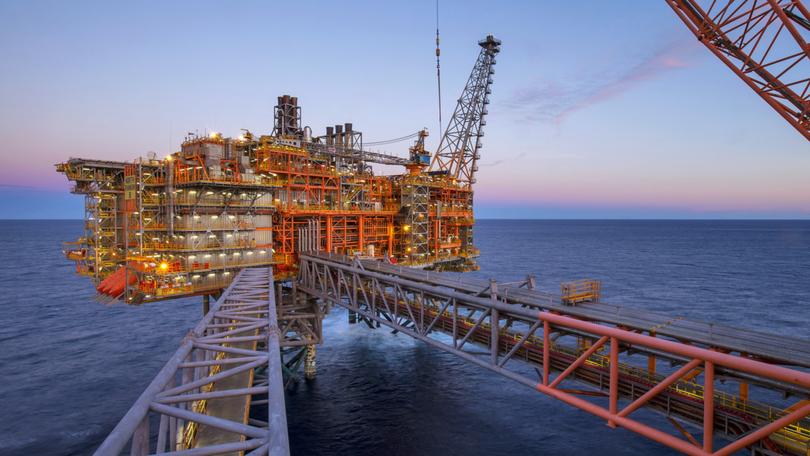
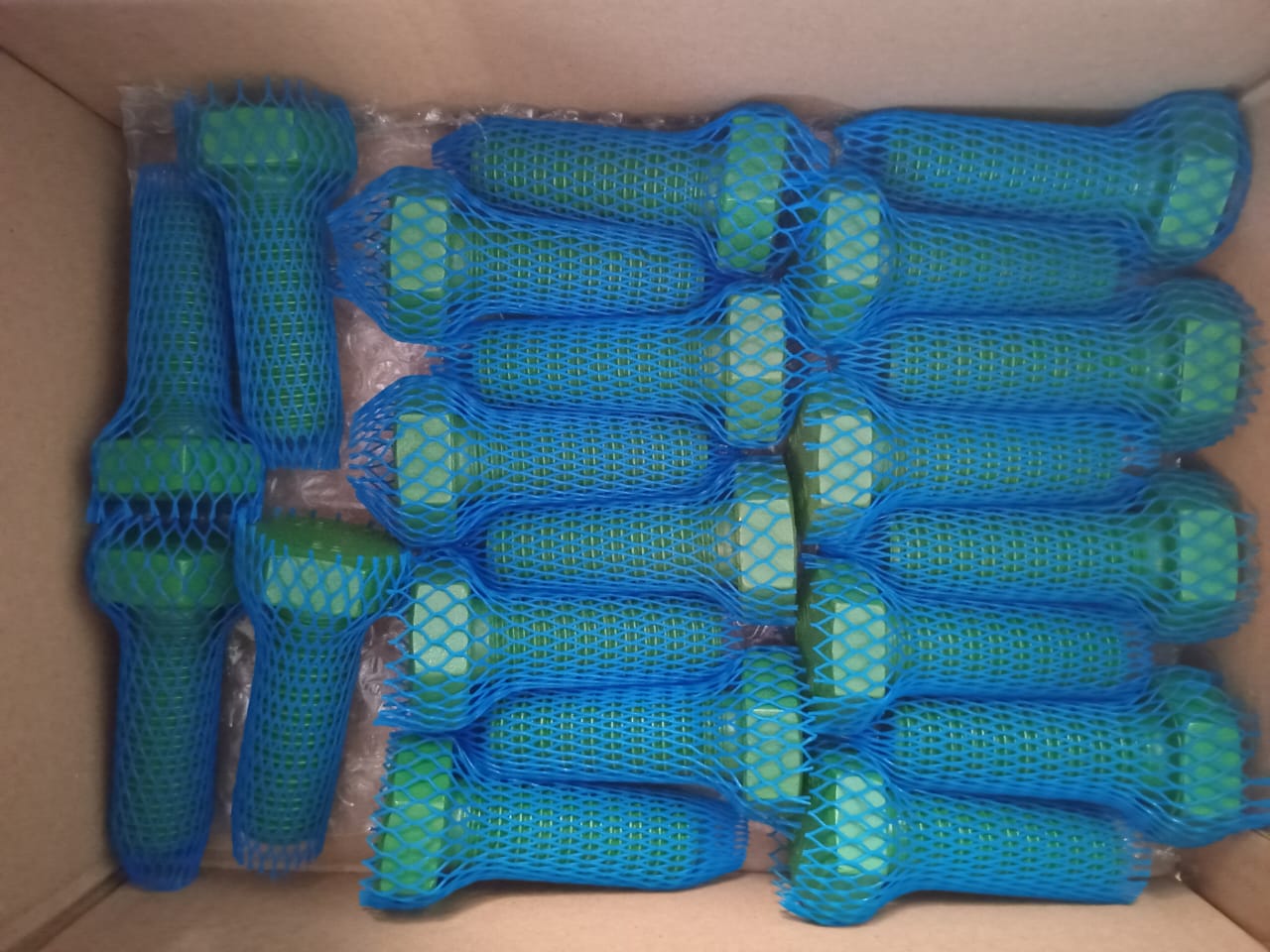
The offshore default. Chemical resistance combined with a low, repeatable coefficient of friction for joints tensioned to a calculated torque.
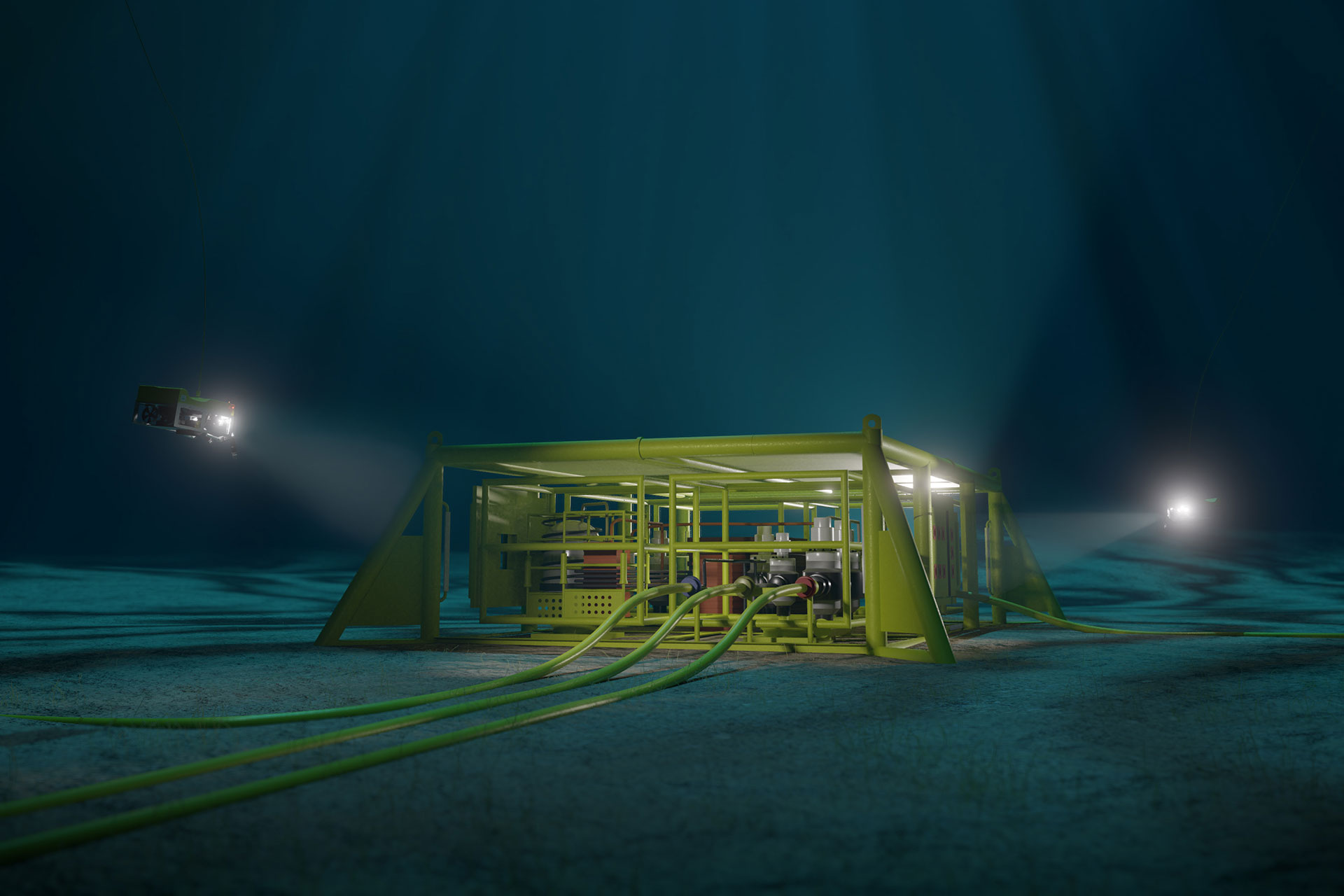
Offshore topsides, subsea flange bolting, anti-galling on stainless and nickel alloys
Zinc Flake & GEOMET
Applied and cured without electroplating, so there is no hydrogen charging of the steel — the safe choice for high-hardness fasteners.
High-strength and structural bolting where embrittlement must be eliminated
Plated & Galvanised Systems
PAGE 04Electroplated Finishes
Economical and dimensionally precise. Plated high-hardness fasteners are baked to relieve hydrogen and are specified by grade.
Instrumentation, valve hardware and sheltered atmospheric exposure
Hot-Dip Galvanising
The thickest, most robust barrier of any commonly specified fastener coating — the workhorse for exposed structural steelwork.
Bridges, pipe racks and civil infrastructure with multi-decade design life
High-Temperature & Pre-Treatment
PAGE 05Ceramic & High-Temperature
Aluminium-ceramic systems keep protecting beyond the limits of zinc and fluoropolymer, including under insulation.
Hot piping and vessels at risk of corrosion under insulation, splash-zone bolting
Pre-Treatment & Passivation
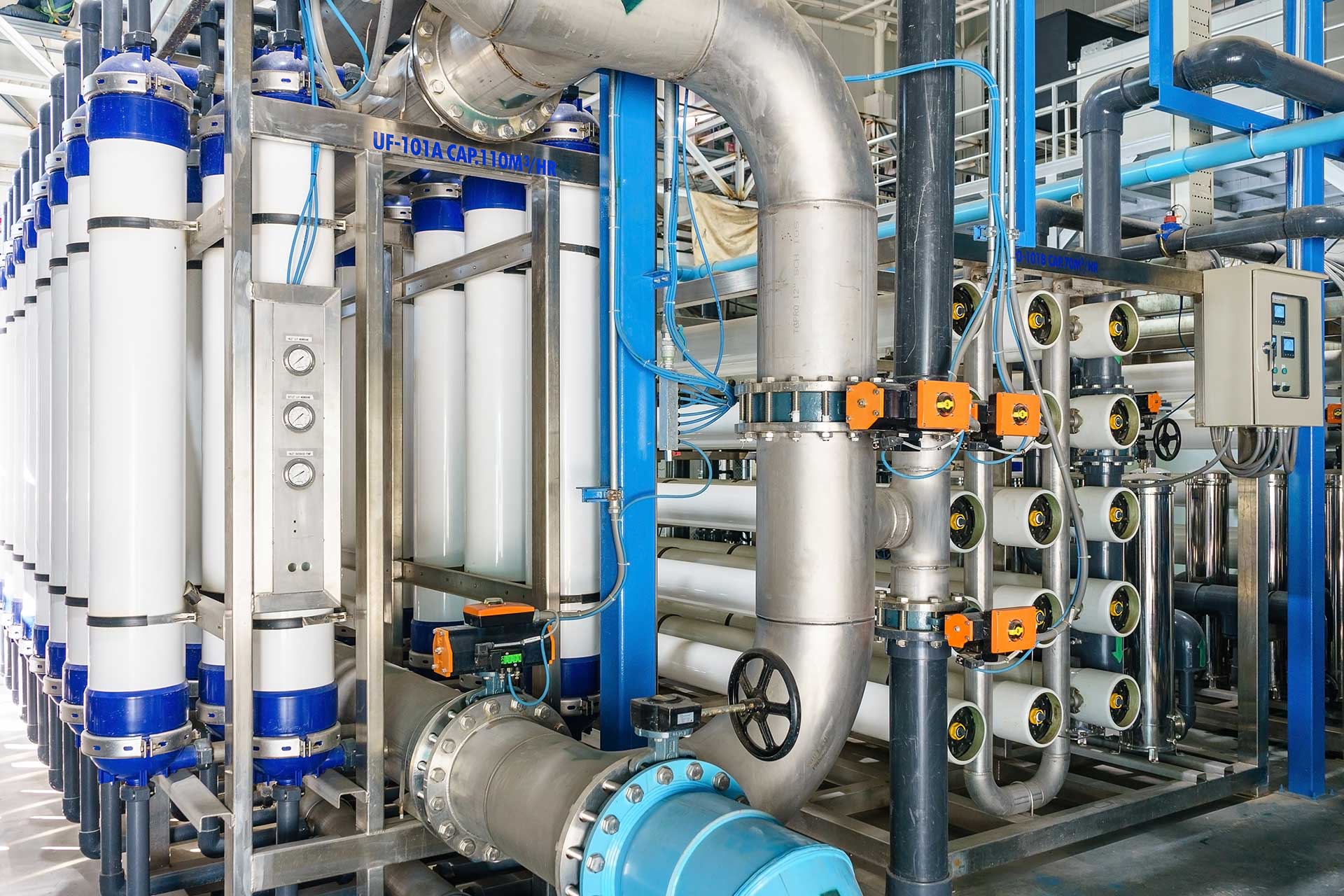
Stainless and nickel alloys rely on a clean, chromium-rich passive layer. Correct pre-treatment removes free iron and scale.
Austenitic, duplex and nickel-alloy fasteners; chemical and desalination service
Choosing a Coating by Service
PAGE 06Guidance only. Final coating selection should be confirmed against the project specification, joint design and the client's own corrosion assessment.


Documentation Supplied With Every Coated Order
PAGE 07EN 10204 3.1 mill test reports for the base material, retained after coating
Coating certificate stating type, thickness and cure verification
Salt spray testing to ASTM B117 with hours-to-red-rust reported
Coefficient of friction test data for torque-tension critical joints
NORSOK M-501 compatible coating systems for offshore scopes
RoHS and REACH compliance documentation on request
Coating is applied after manufacture and does not alter base material properties, so the original EN 10204 3.1 mill test report stays valid. A separate coating certificate is issued alongside it, giving unbroken traceability from heat number to finished fastener.

Send the Service Conditions.
Send us your specified coating system and we will supply it certified, bagged and tagged per joint.