 RapidBolt
Coated Fasteners for Offshore & Corrosive Service
PTFE / Xylan, GEOMET zinc flake, hot-dip galvanised and aluminium-ceramic coating systems — specified by service environment, certified by test data, supplied to project schedule.
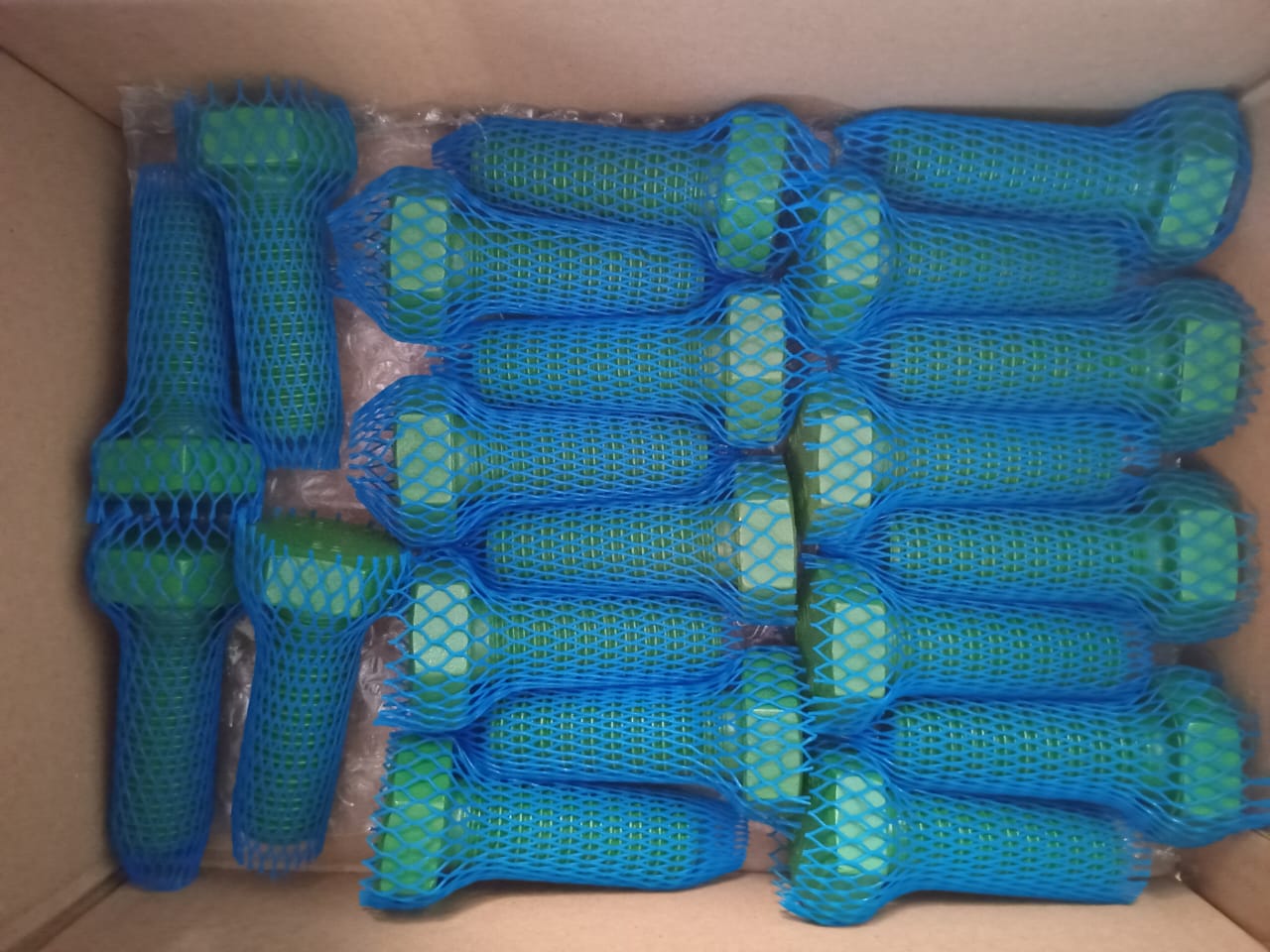
The coating is part of the engineering, not an afterthought
Coatings and platings extend fastener life in environments where bare metal or a standard finish would fail long before the asset does. Selecting the wrong system is expensive twice over — once when the joint corrodes, and again when it has to be cut out during a shutdown.
EMG supplies six families of surface treatment, from zinc electroplating for sheltered assemblies through to aluminium-ceramic systems rated to +540 °C. Every coated fastener retains its base material EN 10204 3.1 certification and ships with a separate coating certificate covering type, thickness and test results.
EMG supplies 13 coating types — from zinc electroplating to PTFE/Xylan fluoropolymer, GEOMET and aluminium-ceramic — with salt spray testing to ASTM B117 and coefficient of friction verification for torque-critical bolting.
Typical applications
- Offshore platforms and subsea structures
- Chemical and petrochemical processing
- Marine and coastal installations
- Desalination and water treatment
- Pulp, paper and mineral processing
- High-temperature anti-galling service
PTFE & Xylan Fluoropolymer Coatings
Fluoropolymer coatings are the offshore default. They combine chemical resistance with a low, repeatable coefficient of friction — essential where bolts are tensioned to a calculated torque and must come apart again years later without galling or seizure.
Xylan 1424 (Blue)
−195 °C to +260 °CThe offshore industry standard. Excellent salt-spray life, controlled CoF (typically 0.10–0.14) for accurate bolt tensioning, and proven performance on splash-zone and subsea flange bolting.
Xylan 1070 (Black)
Up to +285 °CHigher temperature fluoropolymer for hot process piping and steam service where 1424 would exceed its limit.
PTFE / Teflon
Up to +260 °CAnti-galling coating for austenitic stainless, duplex and nickel-alloy fasteners, which gall readily when assembled bare.
Molykote
Up to +400 °CSolid-film lubricant applied to threads and bearing faces where friction control matters more than corrosion barrier.
Best suited to
- Offshore platform and subsea flange bolting
- Torque-tension critical joints requiring verified CoF
- Stainless and nickel alloy fasteners prone to galling
Typical base materials
ASTM A193 B7 / B7M / B8M, A320 L7, Duplex F51/F55, Inconel 625 / 718
Zinc Flake & GEOMET Coatings
Zinc-aluminium flake systems are applied and cured without electroplating, so there is no hydrogen charging of the steel. That makes them the safe choice for high-hardness fasteners where hydrogen embrittlement is a genuine risk.
GEOMET 321 / 500
Up to +300 °CChrome-free zinc-aluminium flake. Typically exceeds 1,000 hours neutral salt spray to ASTM B117 with no red rust, and can be topcoated for colour coding or friction control.
Dacromet 320
Up to +300 °CLong-established flake system with strong galvanic protection. No hydrogen embrittlement risk from the coating process.
Mechanically Deposited Zinc
Up to +120 °CThe accepted alternative where a high-strength structural bolt cannot be electroplated or hot-dip galvanised.
Best suited to
- High-strength fasteners where embrittlement must be avoided
- Structural and infrastructure bolting with long design life
- Projects requiring RoHS / chrome-free compliance
Typical base materials
ASTM A193 B7, A320 L7, A325, high-tensile carbon and alloy steel
Electroplated Finishes
Electroplating deposits a thin sacrificial or barrier metal layer. It is economical and dimensionally precise, but plated high-hardness fasteners must be baked to relieve hydrogen — and are not suitable for every grade.
Zinc Electroplating
Up to +120 °CGeneral-purpose corrosion protection for indoor, sheltered or mild atmospheric exposure. Available clear, blue or yellow passivated.
Zinc-Nickel Plating
Up to +150 °CAlloy plating with several times the salt-spray life of plain zinc — used where zinc is too light but HDG is too thick for thread fit.
Nickel Plating
Up to +250 °CHard, bright barrier layer with good wear and chemical resistance. Common on instrumentation and valve hardware.
Cadmium Plating
Up to +230 °CLubricious, highly salt-spray resistant plating retained for aerospace and legacy specialty specifications.
Silver Plating
Up to +650 °CAnti-seize plating for high-temperature threaded connections and electrical contact surfaces.
Best suited to
- Instrumentation, valve and shop-assembly hardware
- Sheltered atmospheric exposure
- Applications requiring tight thread tolerance after coating
Typical base materials
Carbon steel, ASTM A193 B7, stainless steel, brass and specialty alloys
Hot-Dip Galvanising (HDG)
Hot-dip galvanising delivers the thickest, most robust barrier of any commonly specified fastener coating — the workhorse for exposed structural steelwork with a multi-decade design life.
Hot-Dip Galvanised
Up to +200 °CMetallurgically bonded zinc coating typically 45–85 µm thick. Nuts are tapped oversize after galvanising and lubricated so the assembly still runs freely.
Zinc Phosphate
Up to +150 °CConversion coating that provides light corrosion resistance and an excellent key for subsequent paint or topcoat systems.
Manganese Phosphate + Oil
Up to +150 °CStandard shop finish for B7 studs — reduces galling on first assembly and provides short-term storage protection.
Best suited to
- Structural steel, bridges, pipe racks and civil infrastructure
- Exposed atmospheric and coastal environments
- Long-life assets where recoating access is limited
Typical base materials
ASTM A325, A193 B7, carbon steel structural bolting (never ASTM A490)
Ceramic & High-Temperature Coatings
Where service temperature or galvanic corrosion under insulation defeats organic coatings, aluminium-ceramic systems keep protecting well beyond the limits of zinc and fluoropolymer.
Sermagard 1105
Up to +540 °CCombined galvanic and barrier protection. Widely specified for subsea, splash-zone and hot bolting on offshore assets.
Xylar 1 & 2
Up to +540 °CAluminium-ceramic coatings engineered to resist corrosion under insulation (CUI) on hot piping and vessel bolting.
Black Oxide
Up to +180 °CThin dimensional-neutral finish for light indoor protection and glare reduction, usually supplied oiled.
Best suited to
- Hot piping, vessels and flanges at risk of CUI
- Splash-zone and subsea structural bolting
- Elevated-temperature service beyond fluoropolymer limits
Typical base materials
ASTM A193 B16, B7, Duplex, Super Duplex and nickel alloy fasteners
Pre-Treatment, Pickling & Passivation
Stainless and nickel alloy fasteners rely on a clean, chromium-rich passive layer rather than an applied coating. Correct pre-treatment removes free iron and scale that would otherwise start rust in service.
Pickling & Passivation
Per base materialAcid pickling removes weld scale and embedded iron; passivation restores the chromium oxide layer that gives stainless its corrosion resistance.
Shot Blast & Degrease
Per base materialControlled surface preparation before coating to guarantee adhesion and consistent coating thickness.
Bare / Mill Finish
Per base materialSupplied uncoated where a client specification prohibits coating, or where the alloy itself is the corrosion barrier.
Best suited to
- Austenitic, duplex and nickel-alloy fasteners
- Hygienic, chemical and desalination service
- Any coated fastener requiring guaranteed adhesion
Typical base materials
ASTM A193 B8 / B8M, Duplex F51, Super Duplex F55, Inconel, Monel
Match the coating to the service
This guide is indicative. Final coating selection should be confirmed against the project specification, design temperature and the client's corrosion protection philosophy.
Standards & certification
Every coated fastener leaves our facility with a full document pack — base material certification, coating certification and any project-specific test data.
- EN 10204 3.1 mill test reports for the base material, retained after coating
- Coating certificate stating type, thickness and cure verification
- Salt spray testing to ASTM B117 with hours-to-red-rust reported
- Coefficient of friction testing for torque-tension critical joints
- NORSOK M-501 compatible coating systems for North Sea and offshore scopes
- RoHS and REACH compliance documentation on request
- ISO 9001:2015 quality management system
USA, Canada & International Projects
Xylan, PTFE, Galvanised & Zinc Bolts to US Specifications (ASTM / ASME)
US engineering firms typically call up coated B7/L7 studs and heavy hex bolting in inch sizes with ASTM coating designations. EMG quotes fluoropolymer, hot-dip galvanised, zinc and cadmium coated bolting in UNC/8UN inch threads as well as metric, with coating thickness records.
| Item | Imperial (inch) | Metric | Dimensional reference |
|---|---|---|---|
| Xylan / PTFE coated B7 & L7 studs | 1/4" – 6" dia, 8UN above 1" | M5 – M150 | ASME B16.5 / B16.47 stud lengths |
| Hot-dip galvanised bolts & nuts | 1/4" – 6" dia | M5 – M150 | ASME B18.2.1 / B18.2.2 (oversize-tapped nuts) |
| Zinc / cadmium plated bolting | 1/4" – 6" dia | M5 – M150 | ASME B18.2.1 |
Inch and metric to your drawing
UNC, UNF and 8UN threads to ASME B1.1, or ISO metric. EMG supplies from 1/4″ up to 6″ diameter, or M5 to M150 metric; final size, grade and quantity are confirmed per RFQ.
ASTM / ASME documentation
- ASTM F2329 / A153 hot-dip galvanising
- ASTM F1941 / B633 zinc electroplating
- ASTM B766 / SAE AMS-QQ-P-416 cadmium
- Fluoropolymer to customer or project spec
- EN 10204 3.1 base-material certificates
Shipped to US & international sites
Air or sea freight arranged USA nationwide, to Canada and to other export destinations. Incoterms, packing and EN 10204 3.1/3.2 paperwork are agreed at quotation. Import duties are the buyer's responsibility.
Buying from North America? Send your RFQ with inch sizes, grade and certification level, or see our global supply and Canada supply pages.
Coating technical FAQs
What is the difference between PTFE and Xylan coatings?
+
Which coating gives the best corrosion protection for offshore fasteners?
+
Can ASTM A490 bolts be hot-dip galvanised?
+
Do coated fasteners keep their EN 10204 3.1 certification?
+
How does coating affect bolt torque and tension?
+
Are your coating systems NORSOK M-501 compatible?
+
Explore each coating system in detail
Each system has its own corrosion life, friction behaviour, hardness limits and certification requirements. These pages cover the technical detail, standards and typical applications for the finishes we supply most.
Xylan & PTFE Coated Bolts
Fluoropolymer systems with a controlled coefficient of friction for torque-critical offshore flange bolting.
Hot-Dip Galvanised Bolts
Thick sacrificial zinc to AS/NZS 4680 and ASTM A153 for exterior structural steelwork and infrastructure.
Zinc Plated & Zinc-Nickel Bolts
Thin electroplated finishes to ASTM B633 and ISO 4042 that preserve thread fit on precision assembly.
Cadmium Plated Fasteners
Supplied to legacy qualified specifications, with the compliant modern alternative quoted alongside.
Need Coated Fasteners Supplied to Your Specification?
Send us your specified coating system and we will supply it with the supporting test data and certification.
Phone
+61 (0)7 4055 6928Emergency Support
24/7 availability for critical projects