Back to Products

    Zinc Plated & Zinc-Nickel Bolts

    Thin electroplated finishes that hold thread tolerance — from clear and yellow passivated zinc through to zinc-nickel for extended salt spray life.

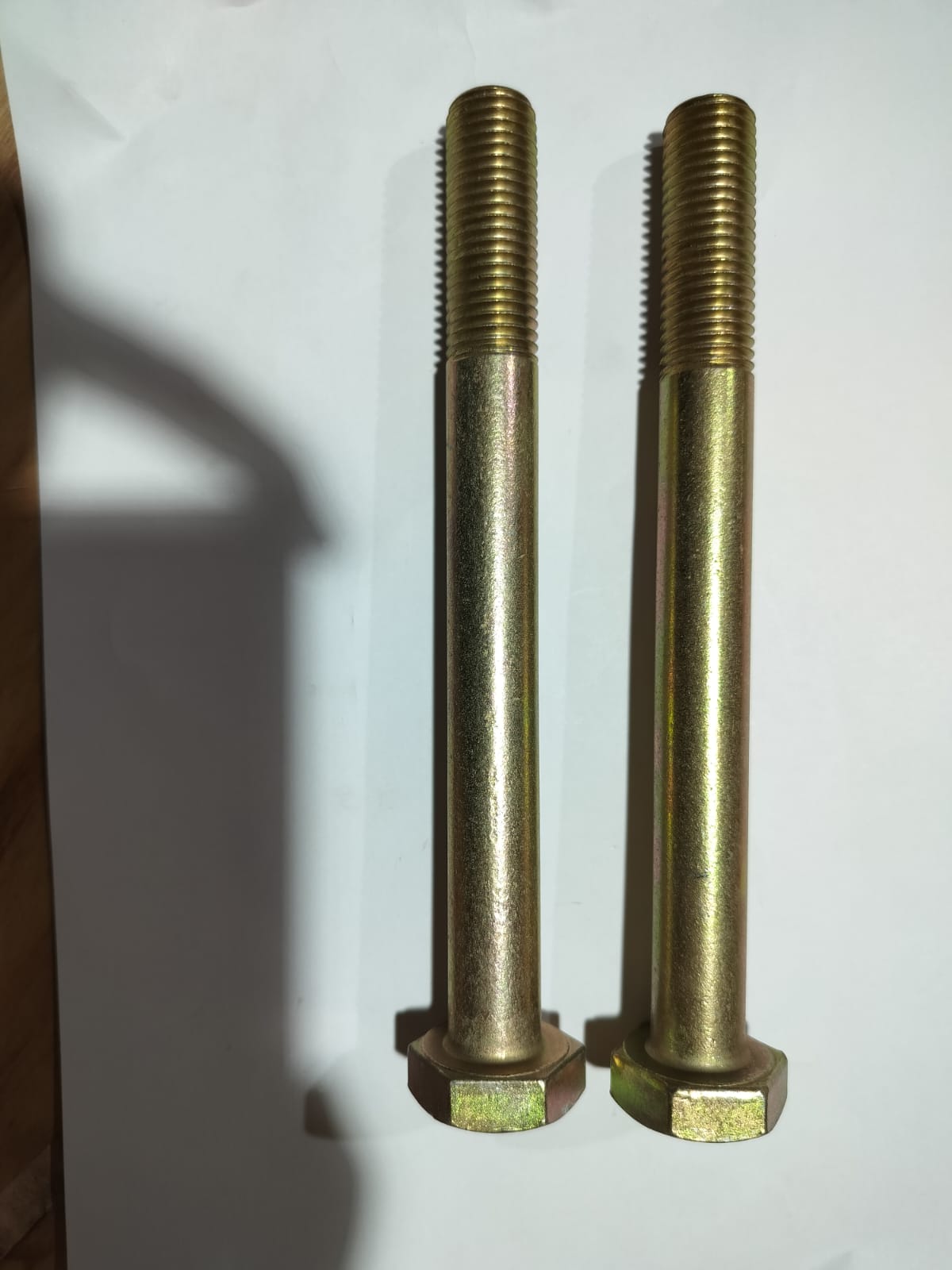
    Zinc yellow passivated hex bolts
    Zinc-yellow passivated hex bolts — a thin finish that preserves thread fit
    EN 10204 3.1 Certified
    ISO 9001 Quality
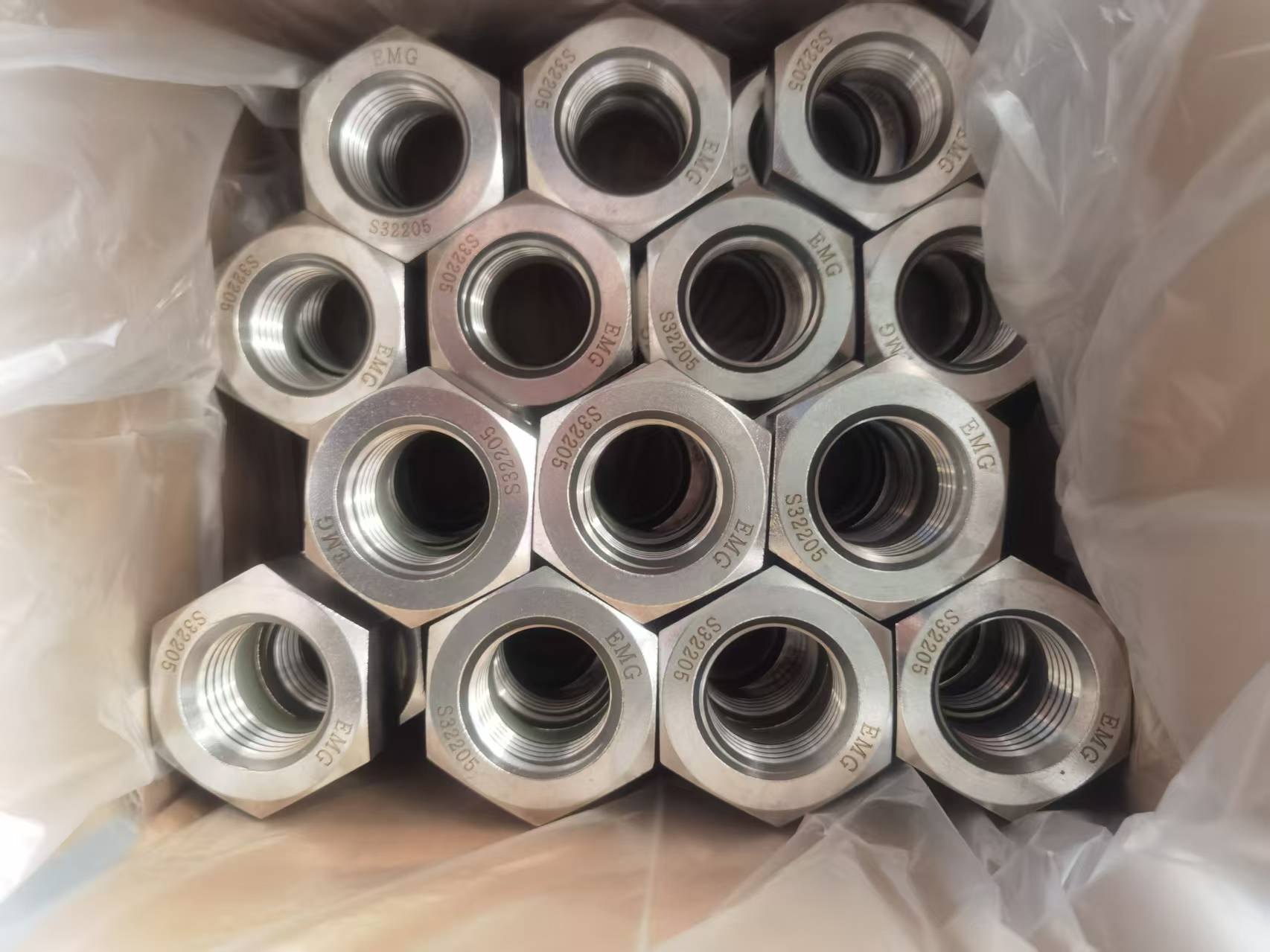
    Plated nuts and washers packed for assembly
    Matched plated nuts and washers supplied with the bolting

    Overview

    Electroplated zinc is deposited from solution, typically 5–25 µm thick, then passivated to a clear, yellow or black finish. It is thin enough that thread tolerances and assembly fits are essentially unaffected, which is why it dominates indoor and sheltered mechanical assembly, OEM hardware and general plant fixings. Zinc-nickel alloy plating is the higher-performance version of the same process, giving several times the salt spray life of standard zinc while staying dimensionally tight and remaining compatible with aluminium structures where galvanic corrosion is a concern.

    Electroplated zinc is typically 5–25 µm thick — thin enough to preserve thread fit, which is why it suits precision assembly where hot-dip galvanising cannot be used.

    Typical Applications

    • Indoor and sheltered mechanical assembly and plant fixings
    • OEM and skid-mounted equipment hardware
    • Instrumentation, panel and enclosure fastening
    • Zinc-nickel where extended salt spray life is required without added thickness
    • Fasteners into aluminium structures needing galvanic compatibility
    • Socket screws and precision hardware where thread clearance is critical

    Fastener Types We Supply

    • Hex bolts, set screws and machine screws
    • Socket head cap screws and grub screws
    • Hex nuts, nyloc nuts and flange nuts
    • Flat, spring and hardened washers
    • Threaded rod and studs
    • Self-colour hardware plated to order

    Common Materials & Grades

    Grade 8.8 / 10.9 metricGrade 5 / Grade 8 imperialASTM A193 B7Mild and carbon steelClass 12.9 socket screws

    Standards & Documentation

    • ASTM B633 — electrodeposited zinc coatings on iron and steel
    • ISO 4042 — electroplated coating systems for fasteners
    • ASTM B841 — electrodeposited zinc-nickel alloy coatings
    • ASTM B117 salt spray testing on request
    • EN 10204 3.1 material certification, 3.2 witnessed on request
    • Hydrogen de-embrittlement baking records where hardness requires it

    NEED MACHINED COMPONENTS TOO?

    Spacers, blinds, special nuts, shafts and bushes — supplied to your drawing with the same traceability as your bolting. Precision Machined Components →

    Clear, yellow and black passivation — what actually differs

    The zinc layer does the protecting; the passivate is a thin conversion film over it that slows the onset of white rust and gives the finish its colour. Clear or blue-bright passivation is the general-purpose default. Yellow passivation historically used hexavalent chromium and gave the longest white-rust delay, and trivalent yellow systems now provide a similar appearance under RoHS-compliant chemistry. Black passivation is largely cosmetic. Colour is often used on site as a coding convention for grade or coating type, so if your plant relies on that convention tell us and we will plate to match it rather than defaulting to clear.

    Zinc-nickel where plain zinc is not enough

    Zinc-nickel alloy plating, usually 12–15 % nickel, typically achieves several times the neutral salt spray hours of standard zinc at similar thickness. It also sits closer to aluminium on the galvanic series, which makes it the preferred plating for steel fasteners into aluminium structures where plain zinc would drive faster corrosion of the joint. It holds up better at elevated temperature than plain zinc as well. Where a specification asks for long corrosion life but the assembly cannot tolerate the thickness of hot-dip galvanising or a fluoropolymer film, zinc-nickel is usually the correct answer.

    Hydrogen embrittlement and baking

    Electroplating charges hydrogen into steel. For fasteners above roughly 320 HV — broadly Grade 10.9, Class 12.9 and hardness-critical items — the standards require baking after plating, typically around 200 °C for several hours, to drive that hydrogen out before it can cause delayed brittle fracture. Baking has to happen promptly after plating to be effective. We buy plating from applicators who document the bake, and we can supply those records with the order. Where a fastener is too hard or too critical to accept the risk at all, a zinc-aluminium flake system such as GEOMET avoids electroplating entirely.

    Where zinc plating is the wrong choice

    A 5–25 µm plated layer is thin, and outdoors it is consumed quickly. Zinc plating is not a substitute for hot-dip galvanising on exterior structural steelwork, and it is not appropriate for marine, splash-zone or chemically aggressive service where a fluoropolymer over resistant base metallurgy is required. It also gives a less controlled coefficient of friction than a purpose-made fluoropolymer, so it is not what we would recommend for torque-critical pressure flange bolting. We will say so at quotation rather than supply a finish that will not last the service interval.

    FREQUENTLY ASKED QUESTIONS

    Technical FAQs

    How thick is zinc plating on bolts?

    +
    Typically 5–25 µm depending on the service class specified under ASTM B633 or ISO 4042. It is deliberately thin so thread fit and assembly clearances are preserved.

    Is zinc plating suitable for outdoor use?

    +
    Only for short-term or sheltered exposure. For exterior structural service, hot-dip galvanising or a zinc-aluminium flake system will last far longer; for marine service a fluoropolymer over resistant base metallurgy is the right specification.

    What is the difference between zinc plating and hot-dip galvanising?

    +
    Plating is electrodeposited and thin (5–25 µm), preserving thread tolerance. Hot-dip galvanising is a molten zinc immersion producing a much thicker metallurgically bonded layer (typically 45–85 µm) with far greater outdoor life, but requiring oversize-tapped nuts.

    How much better is zinc-nickel than plain zinc?

    +
    Zinc-nickel typically achieves several times the neutral salt spray hours of standard zinc at a comparable thickness, and it is more galvanically compatible with aluminium assemblies.

    Do high-strength plated fasteners need baking?

    +
    Yes. Fasteners above roughly 320 HV must be baked promptly after plating to drive out absorbed hydrogen and avoid delayed brittle fracture. We can supply the applicator's bake records with the order.

    Can you plate to a colour convention used on our site?

    +
    Yes. Clear, yellow and black passivation are all available, and we will plate to whatever grade or coating colour coding your plant already uses.
    GET IN TOUCH

    Need a Quote for Zinc Plated Bolts?

    Send us the size, grade and quantity — or your drawings and bill of materials — and we'll return a technical quote for zinc plated bolts with lead times and certification included.

    Emergency Support

    24/7 availability for critical projects