Back to Products

    Cadmium Plated Fasteners

    Supplied where a legacy specification genuinely requires it — with the compliant modern alternative always put on the table alongside it.

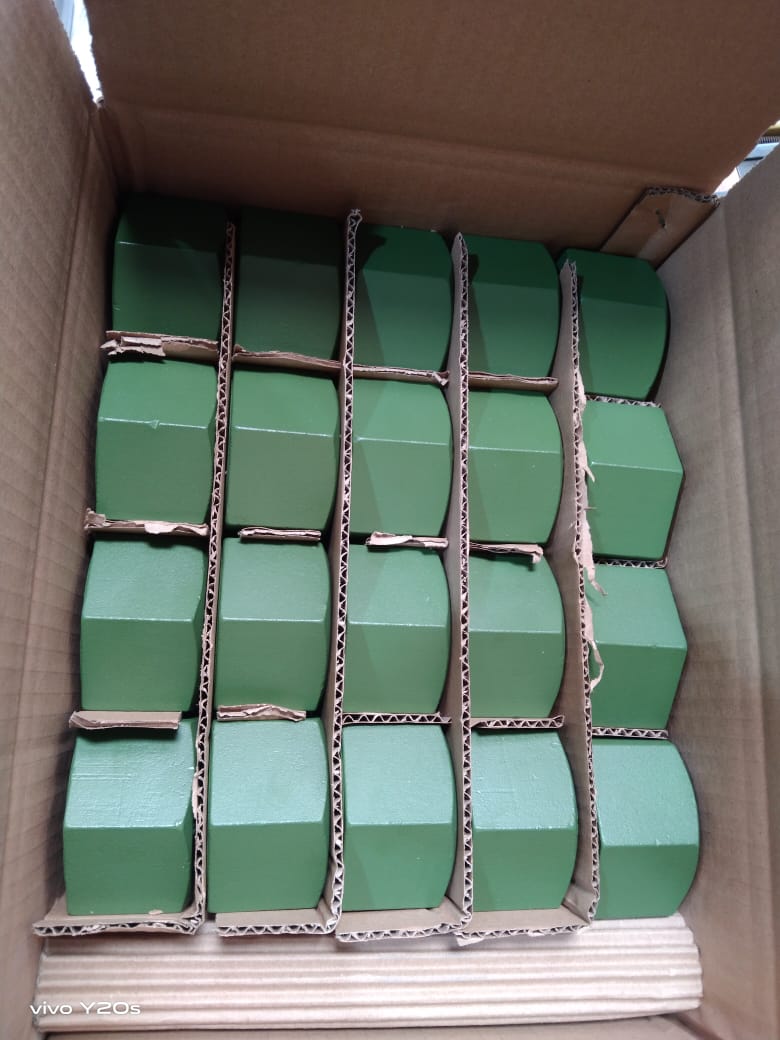
    Cadmium and PTFE coated ASTM A194 2H heavy hex nuts
    Cad-plus-PTFE coated A194 2H nuts supplied to a legacy offshore specification
    EN 10204 3.1 Certified
    ISO 9001 Quality
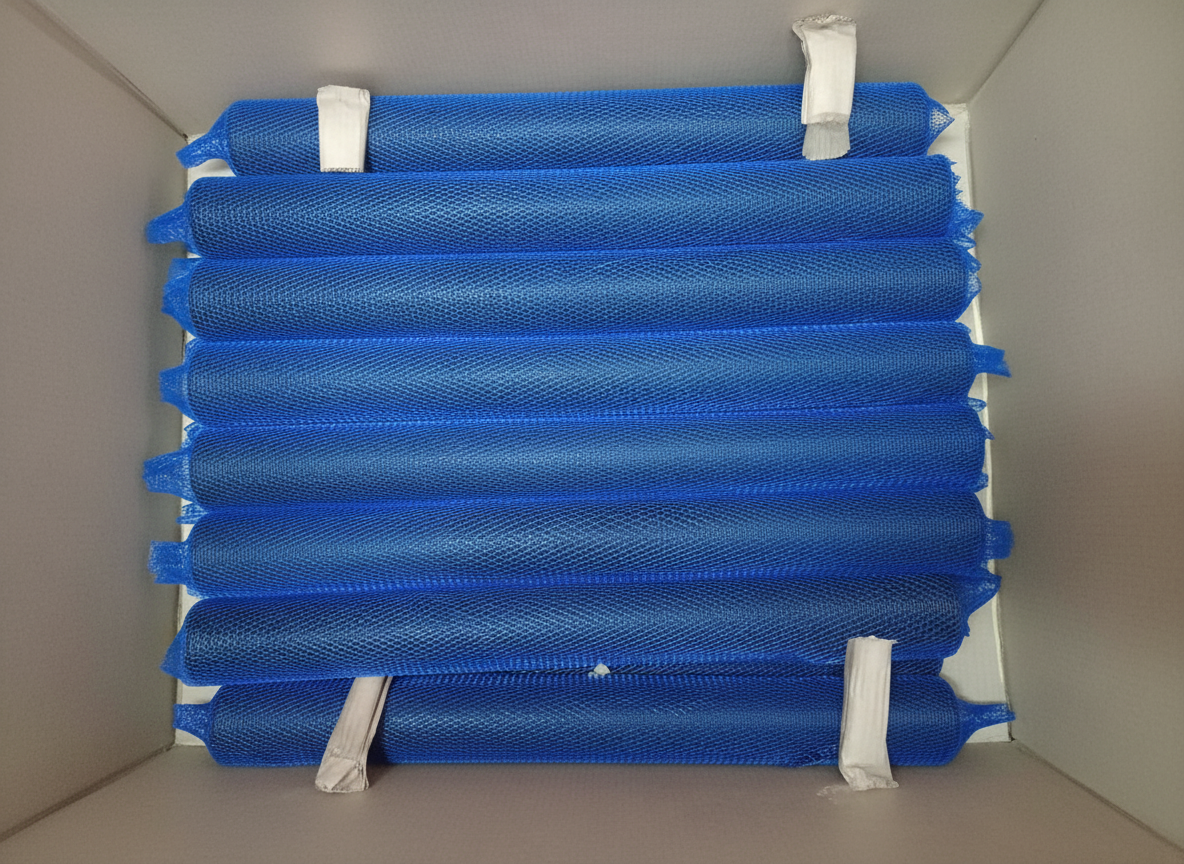
    Stud bolts prepared for plating to a legacy specification
    Studs and nuts plated as matched sets with full heat-number traceability

    Overview

    Cadmium plating gives excellent sacrificial corrosion protection, naturally low friction and unusually good performance in salt and marine atmospheres — which is why it was written into decades of aerospace, defence, subsea and wellhead specifications. It is also toxic and heavily restricted, so it is no longer a finish anyone should specify for a new design. We supply cadmium plated bolting where an existing qualified specification, legacy asset or spares package genuinely calls for it, and we will always quote the compliant modern equivalent alongside so you can make the substitution decision with the data in front of you.

    Cadmium plating remains specified only where a legacy qualified specification requires it; for new designs, zinc-nickel or zinc-aluminium flake systems deliver comparable performance without the toxicity and regulatory burden.

    Typical Applications

    • Legacy aerospace and defence hardware supplied to an existing qualified specification
    • Spares and like-for-like replacement on qualified assemblies
    • Older subsea and wellhead bolting specifications still in force
    • Cad-plus-PTFE systems where both corrosion life and low friction were specified
    • Fasteners into aluminium assemblies under a legacy galvanic requirement
    • Maintenance packages that cannot be re-qualified against a new finish

    Fastener Types We Supply

    • Stud bolts and threaded studs with matched nuts
    • Hex bolts, set screws and machine screws
    • Heavy hex nuts to ASTM A194 2H and 2HM
    • Washers and retaining hardware
    • Cad-plus-PTFE topcoated nuts and studs
    • Bespoke machined items plated to drawing

    Common Materials & Grades

    ASTM A193 B7ASTM A193 B7MASTM A320 L7ASTM A194 2H / 2HMGrade 8.8 / 10.9 metricAlloy steel to drawing

    Standards & Documentation

    • AMS-QQ-P-416 — cadmium plating, electrodeposited (legacy specification reference)
    • ASTM B766 — electrodeposited coatings of cadmium
    • Post-plate baking records for hydrogen de-embrittlement
    • EN 10204 3.1 material certification, 3.2 witnessed on request
    • Plating thickness and adhesion reporting per batch
    • Full heat-number traceability from mill to packed carton

    NEED MACHINED COMPONENTS TOO?

    Spacers, blinds, special nuts, shafts and bushes — supplied to your drawing with the same traceability as your bolting. Precision Machined Components →

    Why cadmium was specified in the first place

    Cadmium does three things at once that few single finishes match. It is strongly sacrificial in chloride environments, so it protects steel in marine atmospheres far better than an equivalent thickness of plain zinc. It has a naturally low and fairly repeatable coefficient of friction, which made it attractive for threaded assemblies that needed predictable torque without a separate lubricant. And it sits close enough to aluminium on the galvanic series to be used against aluminium airframes and housings without driving rapid corrosion of the parent structure. Those three properties are the reason it is embedded in so many aerospace, defence and older offshore specifications.

    The regulatory and health position

    Cadmium is a toxic heavy metal and a recognised carcinogen, and its use is restricted under REACH and comparable regimes. Plating is done only by licensed applicators under controlled conditions, availability is limited, lead times are longer than for zinc systems, and disposal of plated hardware is a waste-stream consideration for the asset owner. None of that prevents legitimate supply against an existing qualified specification, but it does mean cadmium should not appear in a new design. If you are writing a specification now, we will steer you to a compliant system instead.

    Cad-plus-PTFE systems

    A common legacy arrangement is cadmium plating with a fluoropolymer topcoat, most often on heavy hex nuts. The cadmium provides the sacrificial corrosion layer and the PTFE gives a low, repeatable friction figure for torque control and clean break-out at shutdown. The two-layer system needs to be applied and cured in the right order and to the right thicknesses, and studs and nuts should be treated as a matched set so assembly fit is right. Where we supply this combination we fit-check the assembly before dispatch and provide the plating and coating records with the material certification.

    The compliant alternatives we will quote alongside

    Zinc-nickel alloy plating to ASTM B841 is the usual direct replacement: several times the salt spray life of plain zinc, comparable galvanic compatibility with aluminium, similar thin dimensional profile. Zinc-aluminium flake systems such as GEOMET 321/500 to ASTM F1136 are the alternative where hardness rules out any electroplating, since they are applied and cured without hydrogen charging and can be topcoated for friction control. For torque-critical marine flange bolting, a fluoropolymer such as Xylan 1424 over an appropriate base alloy usually outperforms what cadmium was originally doing. We will quote your legacy finish and the substitute together with the supporting data.

    FREQUENTLY ASKED QUESTIONS

    Technical FAQs

    Can you still supply cadmium plated fasteners?

    +
    Yes, against an existing qualified specification, legacy asset or spares requirement, through licensed applicators with full plating and material records. Lead times are longer than for zinc systems, so allow for that in your programme.

    Should we specify cadmium plating for a new project?

    +
    No. Cadmium is toxic and heavily restricted, and modern zinc-nickel or zinc-aluminium flake systems deliver comparable performance. We will quote the compliant alternative alongside any cadmium enquiry.

    What replaces cadmium plating?

    +
    Zinc-nickel alloy plating to ASTM B841 is the closest direct substitute. Where hardness rules out electroplating, zinc-aluminium flake systems such as GEOMET to ASTM F1136 are used. For torque-critical marine bolting, fluoropolymer coatings over resistant base metallurgy are usually the better technical fit.

    What is cad-PTFE coated bolting?

    +
    Cadmium plating with a fluoropolymer topcoat, most often on heavy hex nuts. The cadmium gives sacrificial corrosion protection and the PTFE gives a low, repeatable coefficient of friction for torque control and clean break-out.

    Do cadmium plated high-strength fasteners need baking?

    +
    Yes. Like any electroplated process, cadmium plating charges hydrogen into the steel, so hardness-critical fasteners must be baked promptly after plating. We supply the applicator's bake records with the order.

    Will you advise on substituting the finish on our specification?

    +
    Yes. Send us the specification and the service condition and we will set out the compliant options with corrosion and friction data so your engineering team can make the substitution decision on evidence.
    GET IN TOUCH

    Need a Quote for Cadmium Plated Fasteners?

    Send us the size, grade and quantity — or your drawings and bill of materials — and we'll return a technical quote for cadmium plated fasteners with lead times and certification included.

    Emergency Support

    24/7 availability for critical projects