 RapidBolt
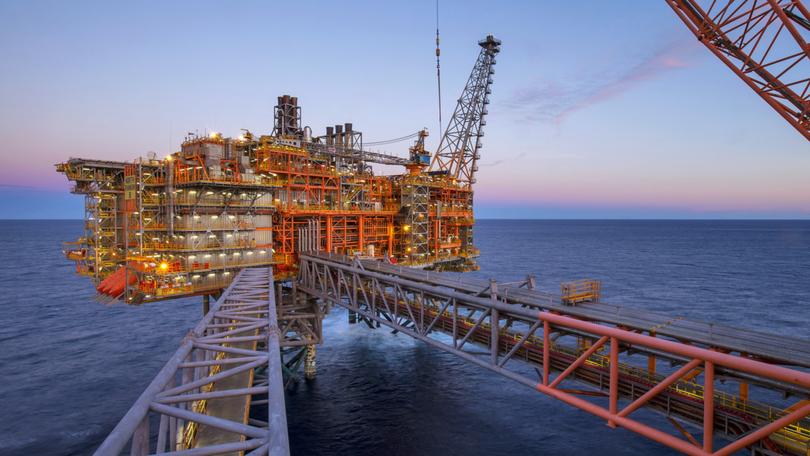
Fasteners for Oil & Gas / LNG
Safety-critical fasteners for offshore platforms, LNG terminals, refineries, and subsea infrastructure. Full compliance with API, ASTM, and NORSOK standards.
Critical Bolting for the Energy Sector
The oil and gas industry operates in some of the most demanding environments on earth—from deepwater subsea installations to high-pressure refinery systems and cryogenic LNG processing facilities. Fastener integrity in these applications is not optional; it is critical to operational safety, environmental protection, and regulatory compliance.
We supply safety-critical fasteners for upstream, midstream, and downstream operations, including offshore platforms, FPSOs, LNG trains, pipelines, and petrochemical refineries. Our bolting solutions are designed for extreme pressure, temperature cycling, and corrosive environments.
Every fastener we supply comes with full material traceability, EN 10204 3.1 certification, and compliance with API, ASTM, ASME, and NORSOK specifications as required by your project.
EMG supplies API 20E/20F and NORSOK M-650 compliant fasteners for offshore, LNG, and subsea applications — with EN 10204 3.1 certification, PMI verification, and full heat number traceability from mill to site.
Typical Applications
- Subsea manifolds and risers
- Wellheads and Christmas trees
- LNG storage tanks and processing
- FPSO and platform structural bolting
- Pipeline flanges and valve assemblies
- Pressure vessels and heat exchangers
- Topside and topsides equipment
- Refinery process units
Where Our Fasteners Are Installed
A closer look at the key sectors within oil & gas / lng where our fasteners play a critical role in equipment integrity and safety.
Upstream — Exploration & Production
Upstream operations encompass offshore and onshore exploration, drilling, and production. Fasteners in this sector must withstand extreme pressures, subsea corrosion, sour gas environments, and continuous vibration from drilling and production equipment.
- Subsea manifolds and trees
- Wellheads and blowout preventers
- Drilling risers and tensioners
- FPSOs and production platforms
- Separator vessels and scrubbers
Midstream — Pipelines & Transportation
Midstream infrastructure moves crude oil, natural gas, and refined products between production sites and processing facilities. Bolting for pipeline flanges, compressor stations, and metering systems must resist temperature cycling, pressure fluctuations, and external corrosion.
- Pipeline flange connections
- Compressor stations
- Metering and regulation skids
- Pump stations and pig launchers
- LNG liquefaction and export terminals
Downstream — Refining & Petrochemical
Downstream operations convert crude oil and gas into usable products through refining, cracking, and petrochemical processing. High-temperature, high-pressure environments demand fasteners with creep resistance, oxidation stability, and long-term bolt load retention.
- Distillation columns and reactors
- Heat exchangers and condensers
- Pressure vessels and storage tanks
- Fired heaters and reformers
- Valve assemblies and instrument connections
Fastener Types We Supply
Our range includes standard and specialty fasteners designed to meet the specific requirements of oil & gas / lng applications.
Common Materials & Grades
We supply fasteners in a wide range of materials and grades to match the specific demands of your oil & gas / lng project.
Cryogenic Grades
A320 L7, L7M, L43 / A194 4, 7
Stainless Steel
A193 B8, B8M / A194 8, 8M
Duplex & Super Duplex
UNS S31803, S32750, S32760
Nickel Alloys
Inconel 625/718, Monel 400/K500
Corrosion Resistant Alloys
Hastelloy C276, Incoloy 825
Standards & Documentation
All fasteners we supply are backed by full documentation and compliance with relevant industry standards. Our quality systems ensure complete traceability and audit readiness.
EN 10204 3.1 Certification
Third-party verified material test reports with full chemical and mechanical documentation.
Heat Number Traceability
Complete material traceability from mill source through to final delivery.
PMI Testing
Positive Material Identification testing for critical alloy verification.
ISO 9001 Quality System
Quality management ensuring consistent product quality and compliance.
Explore More
Oil & Gas / LNG Bolting Supplied Across Australia
Regional supply hubs supporting oil & gas / lng operators, engineering houses and shutdown contractors, with certified stock dispatched nationally.
Western Australia
North West Shelf and Pilbara LNG developments, offshore tie-ins and Karratha turnarounds.
View regional supplyNorthern Territory
Darwin LNG precinct, Bonaparte Basin operations and offshore supply base scopes.
View regional supplyQueensland
Gladstone LNG precinct, CSG gathering and coastal processing facilities.
View regional supplyVictoria
Bass Strait and Gippsland gas processing, plus refinery and terminal bolting.
View regional supplyNew South Wales
Port Kembla energy terminal precinct and industrial process plant supply.
View regional supplyTechnical FAQs
What fastener standards are required for offshore oil & gas platforms?
+
What materials are used for subsea fasteners?
+
What is the difference between API 20E and API 20F bolting?
+
Can you supply fasteners for cryogenic LNG service?
+
Need Compliant Fasteners for a Safety-Critical Project?
Our team can assist with material selection, certification requirements, and supply for your oil & gas / lng application.