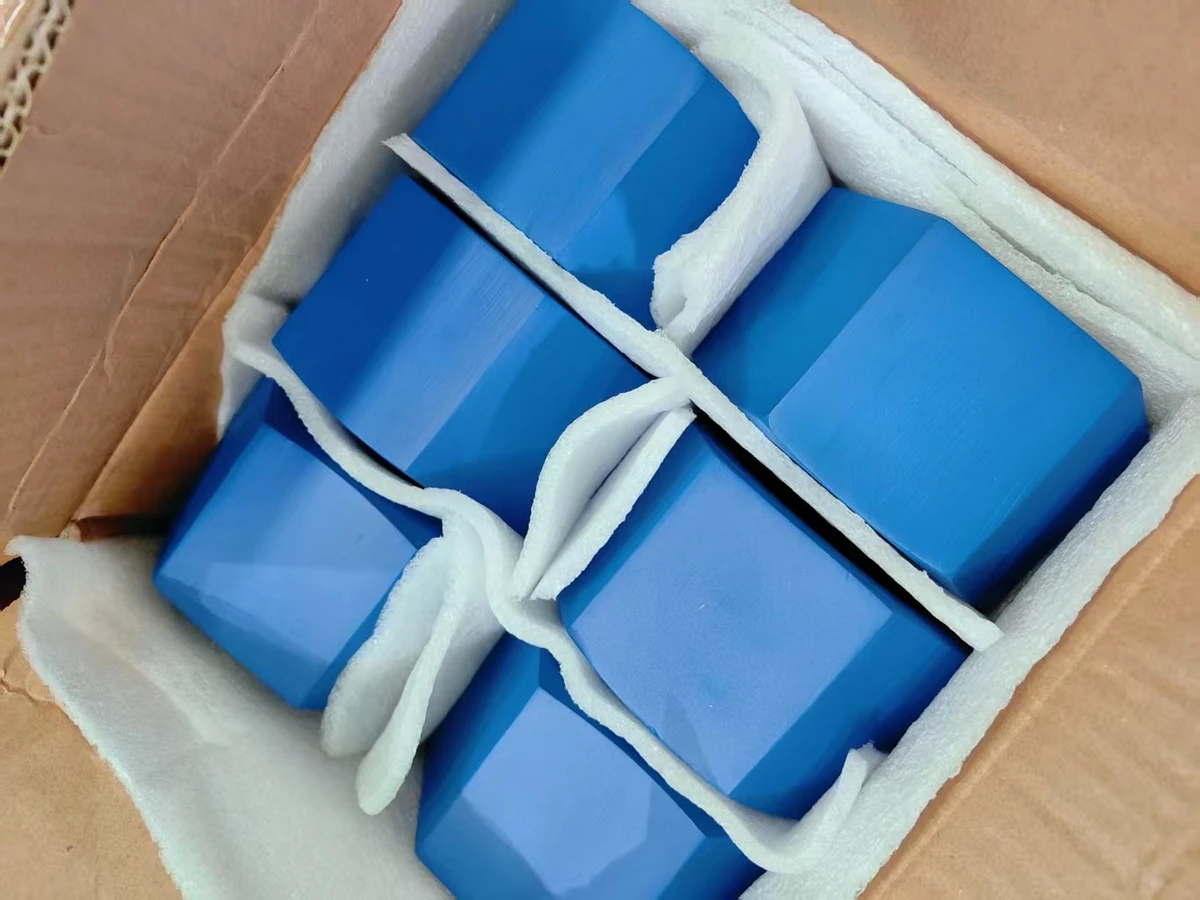
Blue-coated hex nuts individually separated by protective foam
    COATINGS / ASSEMBLY CONTROL

    Coated bolts: friction & galling

    Coating, lubrication and mating surfaces affect friction and the torque-to-load relationship. A coating name is not a universal nut factor, and anti-galling material is not galling-proof: specify verified assembly data and the approved installation procedure rather than a generic torque table.

    Request a Quote
    ENGINEERED SUPPLY, NOT OFF-THE-SHELFBUY-TO-ORDER, QUOTED LEAD TIMEAUSTRALIA / ASIA-PACIFIC
    SIDE BY SIDE

    The differences that matter

    Specification-led comparison. No automatic substitution or universal service approval.
    Assembly detailWhat to defineWhat not to assume
    Coating systemSpecified system, thickness, tests and applicator recordsEvery PTFE, zinc-flake or galvanised finish has the same friction
    Thread fitFinished stud/nut fit and any coating allowanceBase-metal dimensions prove final fit
    Friction / nut factorVerified data for the actual coating and lubricationA family name supplies a guaranteed factor
    GallingMating alloy, finish, load, lubrication and assembly practiceNitronic 60 or a coating guarantees no seizure
    Bolt-upApproved joint-specific installation procedureAn estimator authorises tightening
    ENGINEERING BEFORE SUBSTITUTION

    Beyond the grade name.

    A comparison helps frame the enquiry. The responsible engineer approves the material, condition and finished assembly.

    Nut factor is not a material constant

    Thread and bearing-surface friction, geometry and lubrication influence the relationship between applied torque and clamp load. A nut factor and a coefficient of friction describe different aspects of the assembly; do not substitute one for the other without a verified method.

    For Xylan/PTFE, zinc-flake or hot-dip galvanised packages, request the specified coating and finished-assembly data. Avoid transferring a value from a different coating, batch or lubrication condition.

    Galling is a mating-pair problem

    Stainless, duplex and nickel-alloy assemblies need attention to contact load, thread engagement, surface finish, mating materials and assembly practice. Nitronic 60 is considered for selected anti-galling applications, but does not remove every seizure mechanism.

    Specify any anti-seize or lubricant in the approved procedure. Its use changes the friction condition and must be compatible with the service; this guide does not recommend a universal compound or tightening value.

    PURCHASE ORDER CHECKPOINT

    Define it before ordering.

    Send the complete requirement for a defined quotation. EMG confirms the supply and inspection scope against your project documents.

    Request a Quote
    • Approved drawing revision, component quantities and required site date
    • Diameter, thread series, length and companion nut requirements
    • Governing product specification, alloy designation and supplied condition
    • Inspection, material certificates and project-specific acceptance requirements
    • Coating system, thickness, finished thread fit and verified assembly-friction data
    • Approved lubrication and bolt-up procedure; any required qualification testing

    Common questions

    Can I use one torque table for all PTFE-coated bolts?

    No. Use the joint’s approved procedure and verified friction data for the finished assembly. Coating type, lubrication and mating surfaces can change the torque-to-load relationship.

    Does Nitronic 60 prevent every galling failure?

    No. It offers galling resistance in selected applications. Contact stress, mating materials, finish, lubrication and installation practice still need control.

    What coating records should I request?

    Define the coating specification, thickness and agreed test records, together with material certificates, finished dimensions and any required friction qualification.

    Related products & project evidence

    TECHNICAL REFERENCES

    High Performance Alloys — Nitronic 60

    References support material identification, not acceptance of a finished component. Use the applicable standard edition and approved project specification. Alloy trademarks remain the property of their respective owners.

    All technical guides