Back to Products

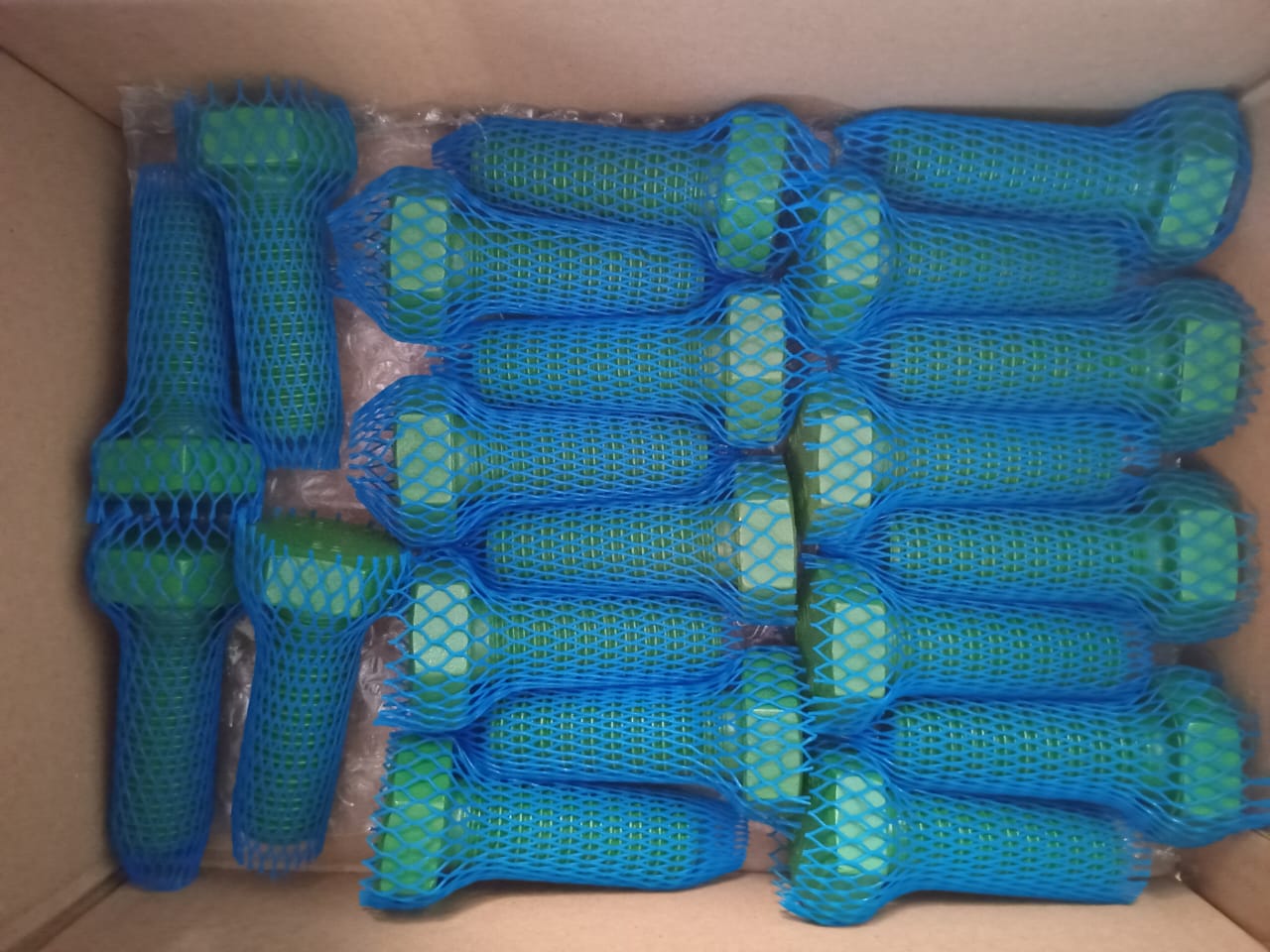
    ASTM A193 B16 High Temperature Stud Bolts

    Chromium-molybdenum-vanadium studs engineered to resist creep and relaxation in sustained high-temperature steam, refinery and power generation service.

    High temperature alloy stud bolts for steam and refinery flange service
    B16 bolting for sustained high temperature flange duty
    EN 10204 3.1 Certified
    ISO 9001 Quality

    Overview

    ASTM A193 Grade B16 is a chromium-molybdenum-vanadium alloy steel developed specifically for bolting that must hold load at temperature over years, not hours. Where B7 is a strong ambient-temperature material that softens and relaxes as temperature climbs, B16 adds vanadium to stabilise the tempered microstructure and resist creep, making it the standard specification for superheated steam flanges, turbine casings, hot refinery service and fired equipment. Minimum tensile is 862 MPa with 724 MPa minimum yield up to 2-1/2in diameter, comparable to B7 at ambient, but the meaningful difference appears at 450 C and above where B16 retains a far higher proportion of its properties.

    B16 and B7 look similar on an ambient test certificate. The difference shows up after two years at 500 C, when a B7 joint has relaxed and the B16 joint has not.

    Typical Applications

    • Superheated and reheat steam line flange bolting
    • Steam turbine casing, valve chest and gland bolting
    • Fired heater, reformer and boiler connection bolting
    • Hot refinery service including FCC and hydroprocessing units
    • High-temperature heat exchanger and expansion joint assemblies
    • Power generation retrofit and outage bolting replacement

    B16 Configurations We Supply

    • Continuous thread B16 studs cut to project length
    • Double-end B16 studs with defined grip length
    • Tap-end B16 studs for turbine and casing tapped holes
    • Complete kits with A194 Grade 4 or Grade 7 heavy hex nuts
    • Large-diameter B16 studs for turbine and valve chest applications
    • Coating applied only where the customer specification requires it

    Common Materials & Grades

    ASTM A193 B161Cr-0.5Mo-V alloy steelASTM A194 Grade 4 nutsASTM A194 Grade 7 nutsASTM A453 660 Class A & DInconel 718

    Standards & Documentation

    • ASTM A193/A193M Grade B16 for high temperature alloy steel bolting
    • ASTM A194/A194M Grade 4 or Grade 7 for the mating heavy hex nuts
    • EN 10204 3.1 mill test reports with chemistry, mechanicals and tempering records
    • Heat number traceability through forging, heat treatment and machining
    • Hardness verification and PMI to confirm vanadium-bearing chemistry
    • EN 10204 3.2 witnessed certification available for power generation scopes

    NEED MACHINED COMPONENTS TOO?

    Spacers, blinds, special nuts, shafts and bushes — supplied to your drawing with the same traceability as your bolting. Precision Machined Components →

    Creep and bolt load relaxation

    A tightened stud is an elastic spring holding a gasket in compression. At elevated temperature the steel creeps, the stud slowly lengthens under sustained stress, and the stored elastic strain — the bolt load — decays. Once load falls below the gasket seating stress the joint leaks, usually without any component having failed in the conventional sense. B16 is designed to make that decay slow. The vanadium addition forms fine, stable carbides that resist coarsening at temperature, holding the tempered structure and therefore the load far longer than a plain chrome-moly grade.

    Selecting nuts for a high temperature joint

    B16 studs mate with A194 Grade 4 or Grade 7 nuts. Nut and stud must be compatible not only in strength but in thermal expansion, because a mismatch redistributes load across the engaged threads during heat-up and cool-down cycles. Using a low-grade or unqualified nut on a B16 stud concentrates that mismatch at the first engaged thread, which is exactly where high-temperature thread failures initiate. EMG supplies the kit certified as a set so the pairing on site is the pairing that was designed.

    Thread seizure and disassembly after hot service

    Bolting that has spent years above 400 C often oxidises into the mating thread and becomes extremely difficult to remove, which turns a routine outage task into stud extraction and flange repair. High-temperature anti-seize, thread engagement discipline and correct nut selection all reduce the problem. Coating systems for hot service are strictly customer specified, since many common coatings degrade well below B16 service temperature and can make the situation worse rather than better.

    When to move beyond B16

    Above roughly 550 to 600 C the ferritic grades run out, and the specification moves to precipitation-hardened and austenitic materials. ASTM A453 Grade 660 Class A and D, and nickel alloys such as Inconel 718, hold strength and resist relaxation at temperatures where B16 would creep steadily. These grades also match the thermal expansion of austenitic flanges more closely, which matters on stainless and alloy hot piping. EMG supplies A453 660 and Inconel 718 bolting alongside B16 so the selection can be made on temperature and expansion behaviour.

    FREQUENTLY ASKED QUESTIONS

    Technical FAQs

    What is the difference between ASTM A193 B7 and B16 stud bolts?

    +
    Both are chromium-molybdenum alloy steels with similar ambient strength, but B16 adds vanadium to resist creep and stress relaxation at sustained high temperature. B7 is the general-purpose grade; B16 is specified where the joint operates hot for long periods, typically above about 450 C.

    What is the maximum service temperature for B16 bolting?

    +
    B16 is routinely applied up to roughly 550 C, with the exact limit set by the applicable code, the design life and the bolt stress. Above that range, ASTM A453 Grade 660 or a nickel alloy such as Inconel 718 is the appropriate step up.

    Which nuts are used with A193 B16 studs?

    +
    ASTM A194 Grade 4 or Grade 7 heavy hex nuts. The nut must be qualified for the same service temperature as the stud so that load distribution across the engaged threads remains predictable through thermal cycling.

    Why do hot service flange joints leak without the bolts breaking?

    +
    Because of creep relaxation. The stud slowly elongates under sustained stress at temperature, the stored bolt load decays, and eventually the gasket seating stress is no longer maintained. Selecting a creep-resistant grade such as B16 and re-torquing per procedure at the first hot condition addresses it.

    Do you supply large diameter B16 studs for turbine work?

    +
    Yes. We supply B16 in large diameters for turbine casing, valve chest and fired equipment applications, including long tap-end studs manufactured to drawing with full certification.

    Can B16 studs be coated?

    +
    Coating systems are applied strictly to the customer specification, and many common coatings are not rated for B16 service temperature. Where a project nominates a high-temperature system such as an aluminium-ceramic coating, we apply it and include the applicator certificate.
    GET IN TOUCH

    Need a Quote for ASTM A193 B16 Stud Bolts?

    Send us the size, grade and quantity — or your drawings and bill of materials — and we'll return a technical quote for astm a193 b16 stud bolts with lead times and certification included.

    Emergency Support

    24/7 availability for critical projects