What is ASTM A453 Grade 660 used for?
+
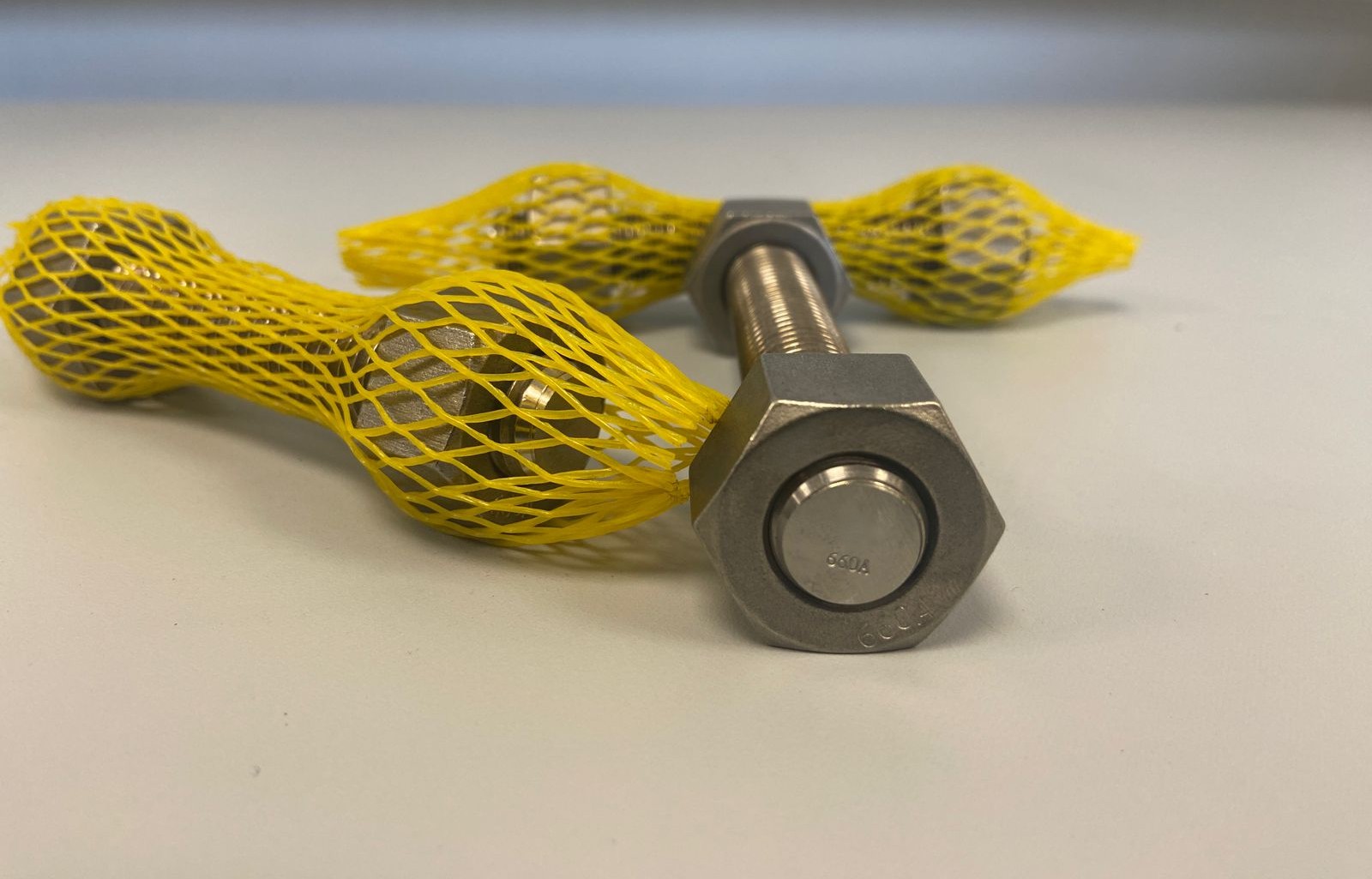
It is a precipitation-hardened A-286 stainless steel used for high-temperature bolting where the joint operates above the practical limit of ferritic grades such as B16, or where the flange is austenitic stainless and thermal expansion matching matters. Common applications are steam turbines, fired heaters, reformers, gas turbine hot sections and high-temperature pressure vessels.
What is the difference between Class A, B, C and D?
+
The classes differ in solution treatment and ageing cycle, not chemistry. Classes A, B and C are rated at 130 ksi (895 MPa) tensile and 85 ksi (585 MPa) yield. Class D is rated at the same 130 ksi tensile but a higher 105 ksi (725 MPa) yield, and is held to a slightly tighter hardness range.
Which nuts are used with A453 660 studs?
+
ASTM A194 Grade 8 or 8M heavy hex nuts are the normal pairing. Both stud and nut are austenitic stainless, so a suitable high-temperature anti-seize should be used during assembly to reduce galling risk.
Can A453 660 be substituted for B16?
+
Only when the design permits it. A453 660 is an austenitic precipitation-hardened material with different thermal expansion, galling behaviour and cost. It is usually selected deliberately for stainless flanges or temperatures where B16 would creep too quickly.
Do you supply A453 660 stud bolts in Australia?
+
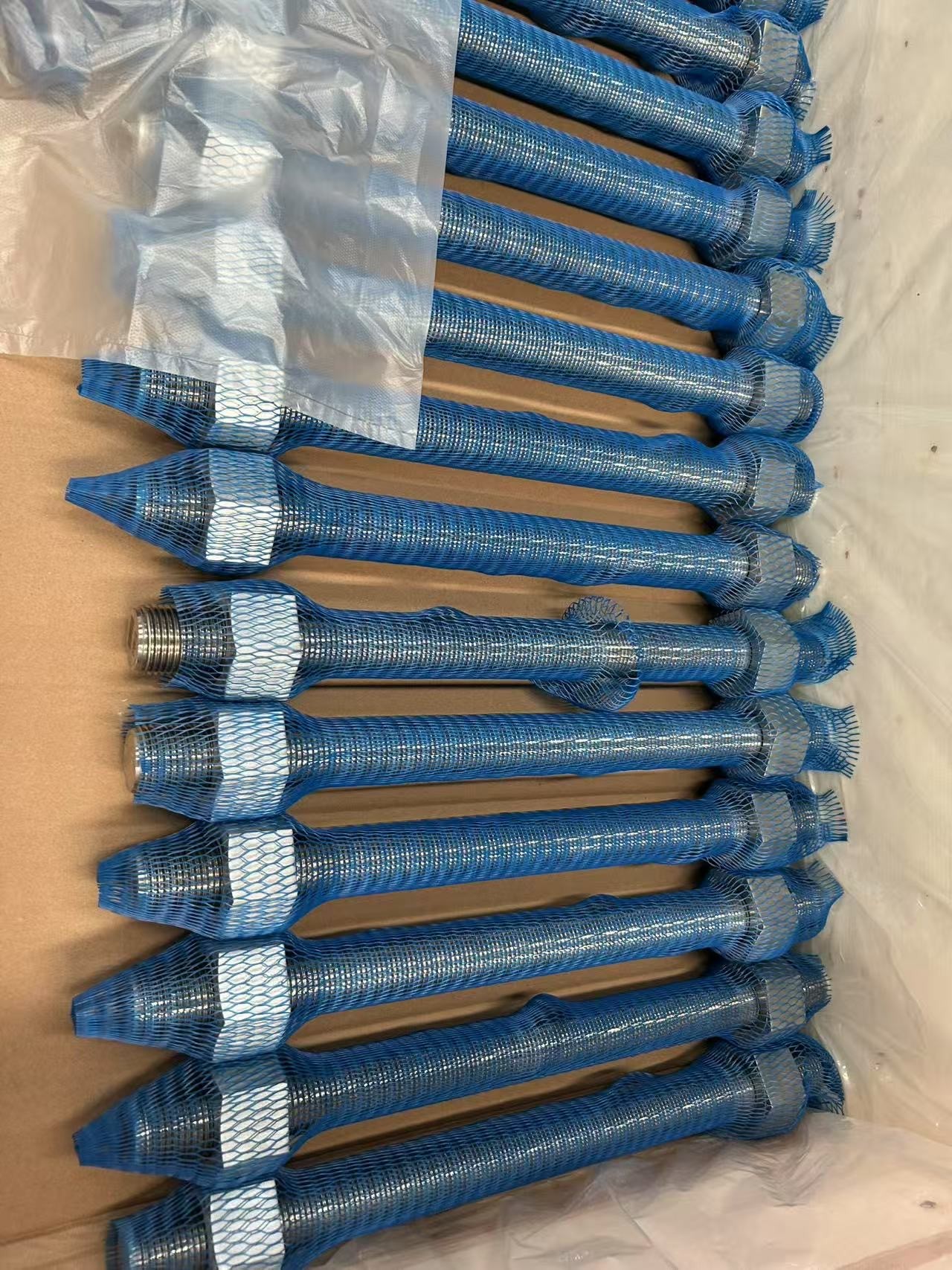
Yes. We supply Class A, B, C and D studs from Australian and imported bar stock, with EN 10204 3.1 certification, heat treatment records, hardness testing and PMI. Urgent shutdown requirements can be expedited through RapidBolt.
What sizes and lengths are available?
+
ASTM A453 660 studs are available from 1/4in to 6in diameter in imperial sizes and M5 to M150 in metric, in continuous thread, double-end and tap-end configurations. Non-standard lengths and large-diameter turbine studs are manufactured to drawing.
 RapidBolt