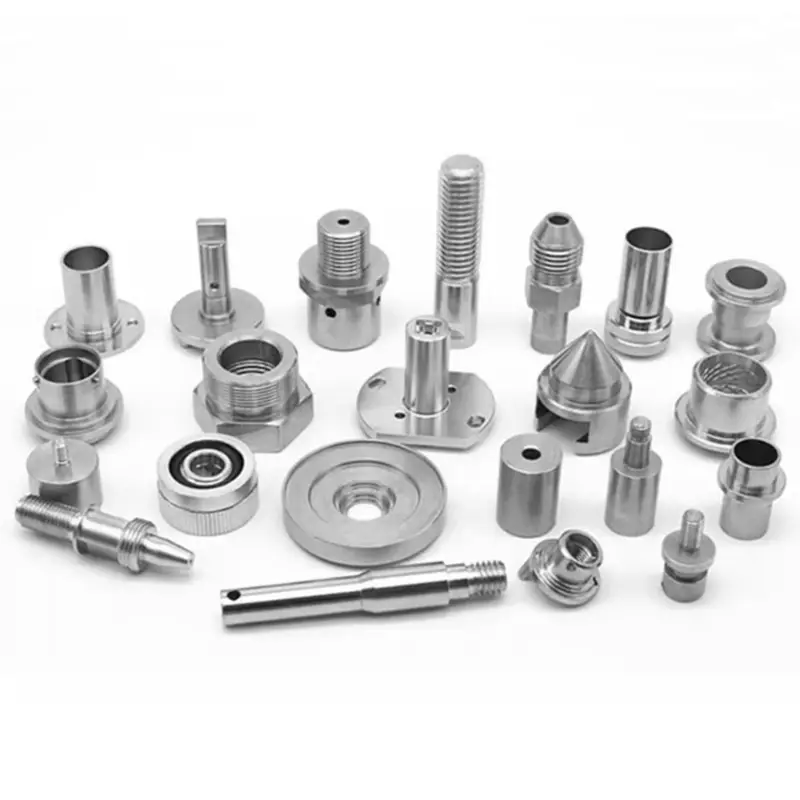
Precision-machined shafts, housings and threaded components illustrating component applications
    STAINLESS / CLASS & CONDITION

    B8M Class 1 vs Class 2

    ASTM A193 B8 and B8M identify stainless grades; Class 1 and Class 2 identify different processing and mechanical requirements. Class 1 is carbide solution treated, while Class 2 includes strain hardening, so the grade name without the class is an incomplete critical-bolting specification.

    Request a Quote
    ENGINEERED SUPPLY, NOT OFF-THE-SHELFBUY-TO-ORDER, QUOTED LEAD TIMEAUSTRALIA / ASIA-PACIFIC
    SIDE BY SIDE

    The differences that matter

    Specification-led comparison. No automatic substitution or universal service approval.
    Ordering detailClass 1Class 2
    B8 / B8M identityB8: 304-type; B8M: 316-typeB8: 304-type; B8M: 316-type
    ProcessingCarbide solution treatmentCarbide solution treatment plus strain hardening
    Mechanical acceptanceClass-specific requirementsClass- and diameter-dependent requirements
    Marking reviewCheck applicable standard and certificateCheck class marking convention and certificate
    SubstitutionNot interchangeable by defaultNot a blanket upgrade to every Class 1 joint
    ENGINEERING BEFORE SUBSTITUTION

    Beyond the grade name.

    A comparison helps frame the enquiry. The responsible engineer approves the material, condition and finished assembly.

    B8M means grade; Class 2 means condition

    Do not confuse alloy identity with strength class. A request for B8M should also identify Class 1 or Class 2, diameter, thread series, finished geometry and companion nuts.

    Strain hardening changes mechanical properties without turning B8M into a different stainless chemistry. Requirements vary with size and class; a single generic tensile figure is not a reliable purchasing specification.

    What does B8MSH mean?

    If an enquiry or component uses B8MSH shorthand, request the supplier’s explicit grade and class definition. The abbreviation alone does not establish ASTM A193 B8M Class 2 acceptance.

    Read the component markings together with the material certificate, manufacturer identity and heat traceability. If a marking or class is unclear, request clarification before releasing the component for assembly.

    PURCHASE ORDER CHECKPOINT

    Define it before ordering.

    Send the complete requirement for a defined quotation. EMG confirms the supply and inspection scope against your project documents.

    Request a Quote
    • Approved drawing revision, component quantities and required site date
    • Diameter, thread series, length and companion nut requirements
    • Governing product specification, alloy designation and supplied condition
    • Inspection, material certificates and project-specific acceptance requirements
    • Explicit Class 1 or Class 2, diameter-dependent properties and class identification records

    Common questions

    Is B8M Class 2 the same as 316 stainless?

    B8M uses a 316-type stainless grade, but Class 2 adds processing and mechanical requirements. A generic 316 bar certificate does not establish acceptance as a finished B8M Class 2 stud.

    Can I substitute Class 2 for Class 1?

    Obtain engineering approval. Check the equipment design, mechanical requirements, supplied condition, nuts and any service restrictions rather than assuming higher strength is always acceptable.

    Does an SH marking prove Class 2?

    Do not rely on shorthand alone. Order the full grade and class, then verify the applicable marking requirements and traceable certificate.

    Related products & project evidence

    TECHNICAL REFERENCES

    ASTM — standards publisher

    References support material identification, not acceptance of a finished component. Use the applicable standard edition and approved project specification. Alloy trademarks remain the property of their respective owners.

    All technical guides