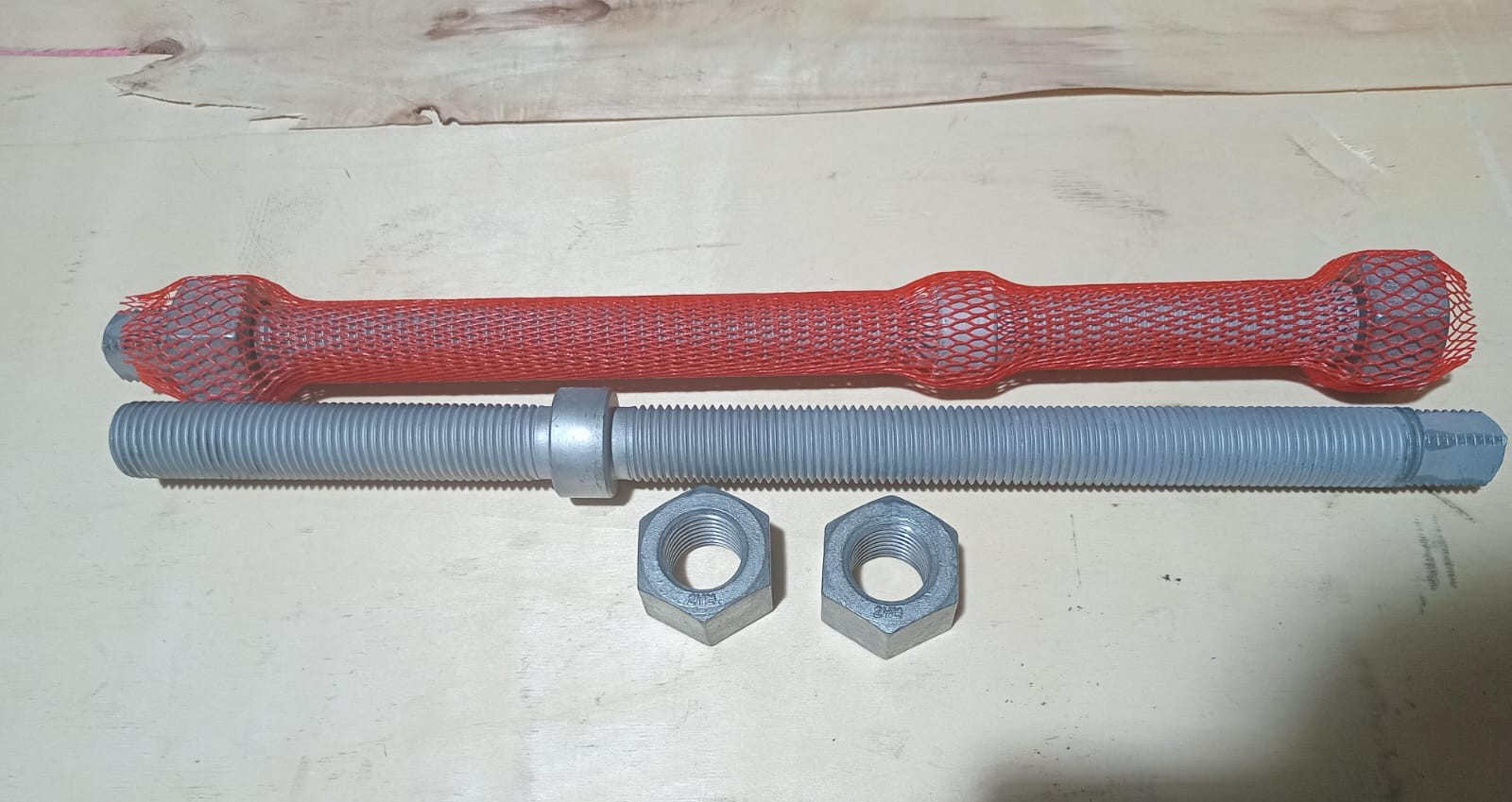
B7M collar bolt and matching nuts illustrating custom fastener geometry, not the featured alloy
    AUSTRALIA / ASIA-PACIFIC / COLD SERVICE

    B7 vs L7 vs L7M for LNG

    ASTM A193 B7 and ASTM A320 L7 are different bolting specifications; L7 includes low-temperature impact-test requirements. L7M adds different mechanical and hardness requirements, so cold and sour-service acceptance must be checked against the approved project documents rather than inferred from a grade name.

    Request a Quote
    ENGINEERED SUPPLY, NOT OFF-THE-SHELFBUY-TO-ORDER, QUOTED LEAD TIMEAUSTRALIA / ASIA-PACIFIC
    SIDE BY SIDE

    The differences that matter

    Specification-led comparison. No automatic substitution or universal service approval.
    Procurement detailB7L7L7M
    SpecificationASTM A193ASTM A320ASTM A320
    Review focusApproved pressure-bolting requirementLow-temperature impact-test requirementImpact testing plus grade-specific hardness/mechanical requirements
    Acceptance evidenceSpecified grade and treatment recordsSpecified Charpy results and treatment recordsSpecified Charpy, hardness and treatment records
    Sour serviceCheck actual specificationDo not infer from impact testingDo not infer universal acceptance from M suffix
    ENGINEERING BEFORE SUBSTITUTION

    Beyond the grade name.

    A comparison helps frame the enquiry. The responsible engineer approves the material, condition and finished assembly.

    The Australian LNG specification makes the decision

    For LNG maintenance in Western Australia, the Northern Territory or Queensland, identify the design conditions, bolting standard, impact-test requirements and approved nut pairing in the equipment documents. The site location is context, not a replacement for a joint-specific materials review.

    Asia-Pacific projects require the same specification discipline. State the applicable code and project requirements before proposing an ASTM A193-to-A320 substitution.

    Cold service and sour service are separate checks

    An impact-tested grade does not automatically establish sour-service compliance. Where both apply, specify the required treatment, hardness and inspection under the applicable project and NACE MR0175 / ISO 15156 requirements.

    Keep the existing Alberta resource for Canadian project context; this guide provides a separate Australian/APAC enquiry pathway without changing its URL or assuming one universal service temperature limit.

    PURCHASE ORDER CHECKPOINT

    Define it before ordering.

    Send the complete requirement for a defined quotation. EMG confirms the supply and inspection scope against your project documents.

    Request a Quote
    • Approved drawing revision, component quantities and required site date
    • Diameter, thread series, length and companion nut requirements
    • Governing product specification, alloy designation and supplied condition
    • Inspection, material certificates and project-specific acceptance requirements
    • Design conditions, Charpy test requirements, companion nut grade and any sour-service restrictions

    Common questions

    Can B7 be used for every cold-service joint?

    No blanket approval applies. Check the design conditions, applicable code, impact-test requirements and approved materials schedule with the responsible engineer.

    Is L7M the same as L7?

    No. Both are A320 grades, but their mechanical and hardness acceptance requirements differ. Specify the intended grade and records rather than substituting from the family name.

    What records should an LNG bolting enquiry request?

    Request the specified material certificates, heat treatment, Charpy results, hardness and inspection scope, together with exact component dimensions, quantity and required site date.

    Related products & project evidence

    TECHNICAL REFERENCES

    ASTM — standards publisher

    References support material identification, not acceptance of a finished component. Use the applicable standard edition and approved project specification. Alloy trademarks remain the property of their respective owners.

    All technical guides