 RapidBolt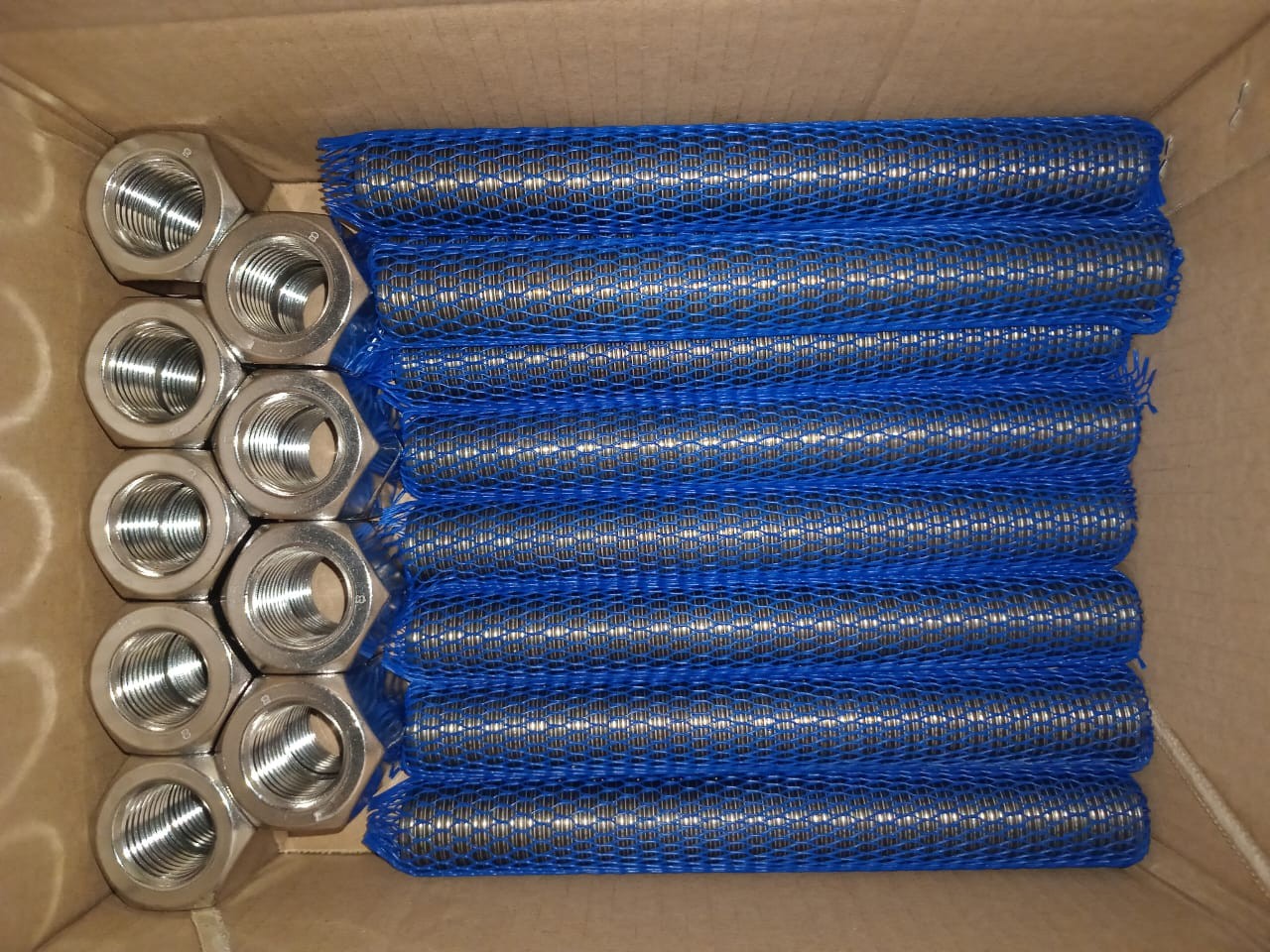
The short answer
For Alberta outdoor and cold-service joints, specifications commonly call for ASTM A320 L7 rather than A193 B7, because L7 is impact tested at low temperature and B7 is not. The design minimum temperature in your project specification makes the final call.
B7 and L7 compared
Both are quenched and tempered chromium-molybdenum alloy steel stud bolts. The difference is Charpy impact testing: L7 is tested at low temperature to prove toughness, giving a documented assurance against brittle fracture in Canadian winters.
When to choose L7M
Where sour gas and cold combine, L7M adds a maximum hardness limit for NACE MR0175 compliance.
Nuts and coatings
L7 studs are commonly paired with A194 Grade 4 or 7 nuts. PTFE / Xylan or hot-dip galvanised coatings protect against de-icing salt and moisture.
See cold-service stud bolts for Canada or Alberta oil sands fasteners.